Home | About | For Groups | For Individuals | Contact
As we contend with the shock and awe tactics of the Trump Administration and the complacency of the US political apparatus as a whole, racial and social justice movements, workers & organizations need tools to sustain themselves and their work, without sacrificing one for the other.
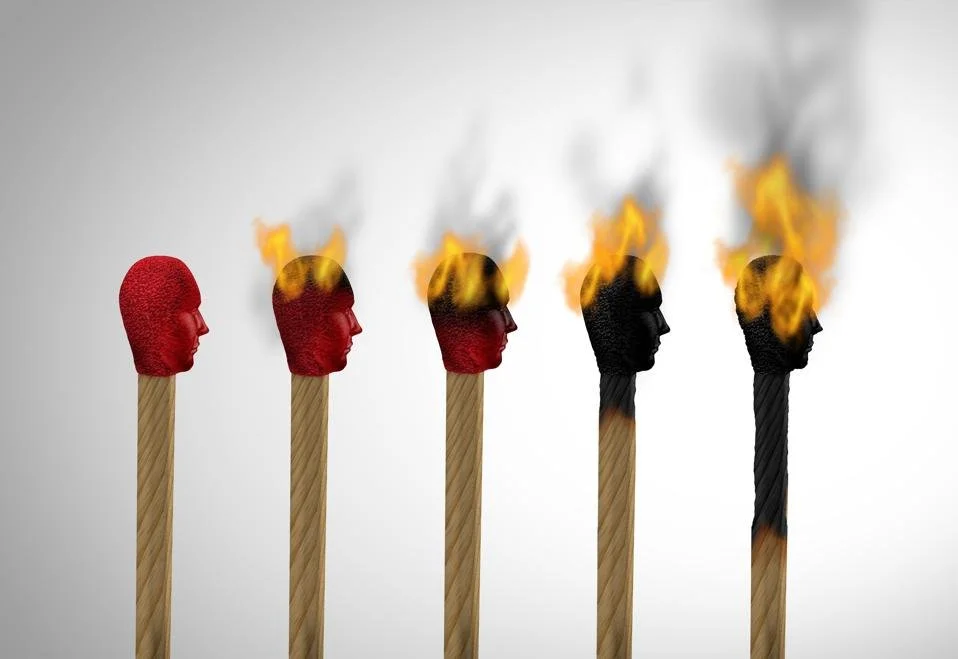
Burnout is more than a self-help industry buzzword. It leads to long-term health consequences including autoimmune diseases, high blood pressure, and premature death, and transforms the contours and landscapes of our communities. The costs to nonprofits and wider justice movements due to increased turnover and depreciating productivity is millions.
Jasbir Paur posits systems don't always destroy us outright; often, they debilitate us gradually. Burnout exemplifies this slow maiming: it manifests as autoimmune diseases, high blood pressure, and other chronic conditions. Often at the core of burnout are difficulties around communication across power that drain you for months. With burnout among workers reaching 66% in 2025, an all-time high, we must reimagine our relationship to these systems and build more sustainable workplaces.
FOR GROUPS
Reclaiming Radical Rest for Racial and Social Justice Workplaces
A new study from 2025 found that burnout reached an all-time high of 66%. This is a two-part workshop series that reframes rest as a political strategy rather than individual self-care. Rooted in evidence-based and ancestral practices from Black and Indigenous resistance movements, these workshops offer both individual and collective care frameworks that honor advocates as whole humans beyond their productivity. LEARN MORE >
The Politics of Exhaustion: Building Communication Practices that Sustain People Across Power Differentials
One of the deepest sources of burnout is the accumulation of unaddressed concerns between supervisees and supervisors, issues that feel too structural, too risky, or too easy to twist to ever get named. Rhetorical fallacies like deflection, false equivalence, and strategic vagueness keep them that way, obscuring clarity and creating deep resentment and lack of appreciation. This is often compounded for those whose identities have been marginalized in our larger ecosystem. This workshop offers a framework for better engagement with the following: tools to understand communication styles across power, tools to name the most common rhetorical fallacies, and a toolkit for gaining clarity on your relationship to this communication arrangement. This workshop series provides support in catching the communication buildup before they drain our souls, movements, and organization dry.
FOR INDIVIDUALS
Workers Navigating Burnout Under Racial and Other Capitalisms
This two-part series is for workers organizing against intersecting racial, imperial, ableist, cispatriarchial capitalisms and toward socially liberated futures—workers who are exhausted and afraid of the personal health implications, who've been told to "practice self-care" while laboring in conditions designed to extract everything from you, and who know that massages and going to the gym won't fix systemic problems. LEARN MORE >
Home | About | For Groups | For Individuals | Contact